
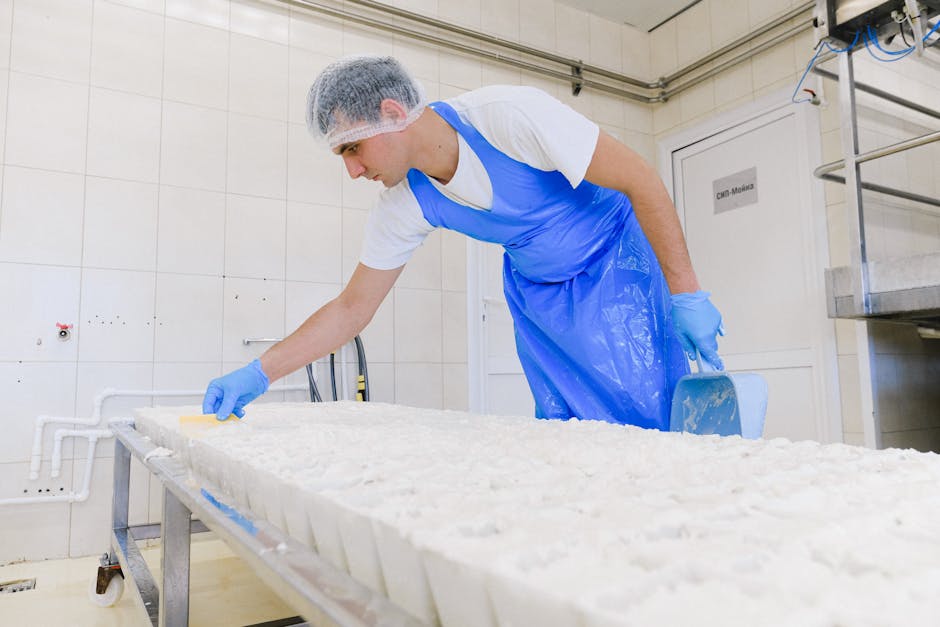
Both FSSAI and ISO 22000 are critical for Indian food exports. Here's what each certification covers and why importers should demand both.
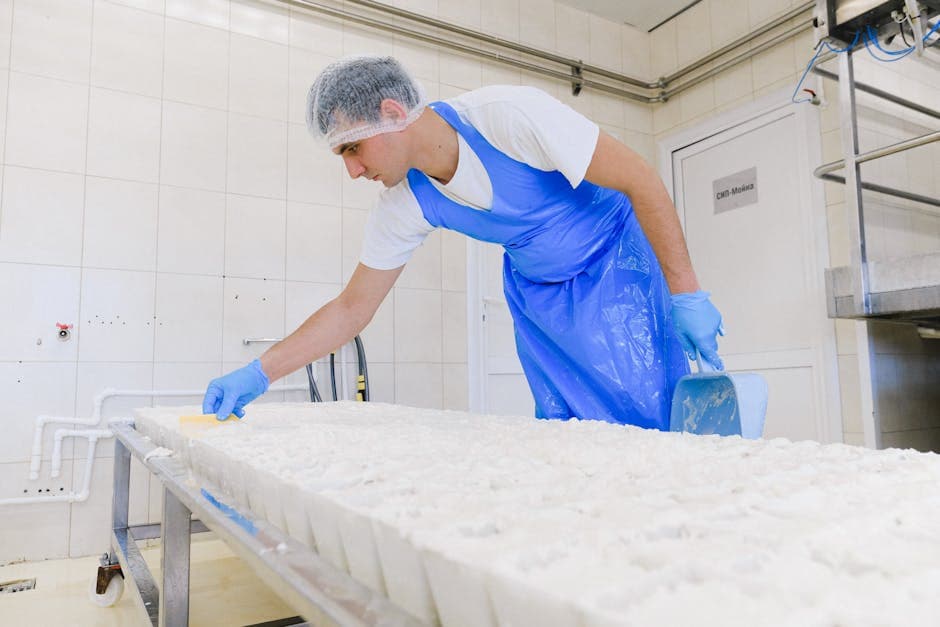
Understanding the Two Pillars of Indian Food Safety
When importing food products from India, two certifications come up repeatedly: FSSAI and ISO 22000. While both relate to food safety, they serve different purposes and are governed by different bodies. Smart importers demand both — here's why.
FSSAI: India's Mandatory Food Safety License
The Food Safety and Standards Authority of India (FSSAI) is the national regulatory body that oversees food safety in India. Every food manufacturer, processor, and exporter in India must hold an FSSAI license. It ensures:
- Compliance with Indian food safety regulations
- Proper labeling and packaging standards
- Hygiene and sanitation at manufacturing facilities
- Traceability from raw material to finished product
ISO 22000: The International Gold Standard
ISO 22000 is an international food safety management system standard recognized in over 160 countries. It covers:
- Hazard analysis and critical control points (HACCP principles)
- Prerequisite programs for food safety
- Management system requirements for continuous improvement
- Communication across the entire food chain
Why You Need Both
FSSAI ensures the supplier is legally compliant in India. ISO 22000 ensures they follow internationally recognized food safety practices. A supplier with only FSSAI may not meet your destination country's import requirements. A supplier with only ISO 22000 may not be legally operating in India.
HS Proteins holds both FSSAI and ISO 22000 certifications, along with HACCP, GMP, APEDA, and FDA compliance — giving importers complete confidence in food safety and regulatory compliance.