
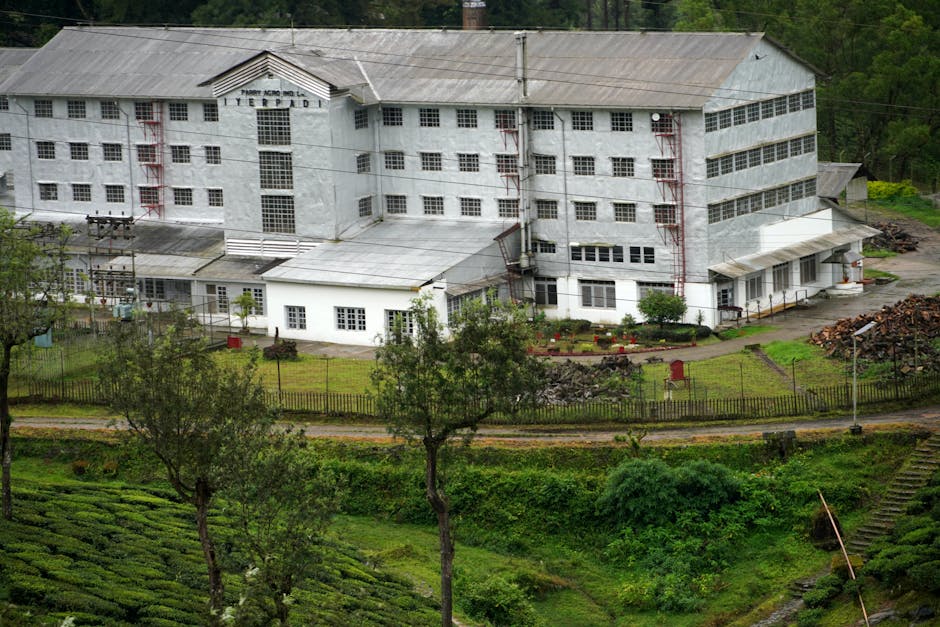
Ever wondered how raw pulses become export-ready products? Here's the complete processing journey from Indian farms to international ports.
The Journey Begins at the Farm
India's pulse cultivation spans millions of hectares across Madhya Pradesh, Maharashtra, Rajasthan, Karnataka, and Uttar Pradesh. Farmers harvest crops like Toor, Chana, Moong, Masoor, and Urad during Kharif (monsoon) and Rabi (winter) seasons.
Stage 1: Procurement and Raw Material Testing
Processors like HS Proteins source raw pulses directly from farmer cooperatives and mandis (agricultural markets). Every incoming lot undergoes initial quality checks: moisture content, foreign matter, insect damage, and aflatoxin levels. Lots that fail are rejected or downgraded.
Stage 2: Cleaning and Pre-Processing
Raw pulses go through multiple cleaning stages:
- Destoning: Gravity separators remove stones, mud, and heavy impurities
- Aspiration: Air blowers remove dust, husk, and lightweight particles
- Magnetic separation: Removes metallic contaminants
- Sieving: Separates by size for uniform grading
Stage 3: Splitting and Polishing
For dal production, whole pulses are dehusked and split using roller mills. The split dal is then polished to achieve the bright, clean appearance that export markets demand. Some varieties undergo oil polishing for extra sheen.
Stage 4: Sortex and Color Sorting
Modern sortex machines use optical sensors to remove discolored, damaged, or foreign grains at high speed. This is the most critical quality step — it determines the final grade and price of the product.
Stage 5: Quality Testing and Certification
The finished product is tested in accredited labs for: protein content, moisture, broken percentage, foreign matter, pesticide residues, and microbiological safety. A Certificate of Analysis (COA) is generated for each batch.
Stage 6: Packaging and Dispatch
Products are packed in food-grade bags (PP woven, BOPP, or vacuum packs), weighed, sealed, and palletized. Export documentation including phytosanitary certificates, fumigation certificates, and commercial invoices are prepared for customs clearance.
HS Proteins manages this entire chain in-house at our Indore processing facility — from procurement to port. Our vertically integrated operation ensures quality control at every stage.