
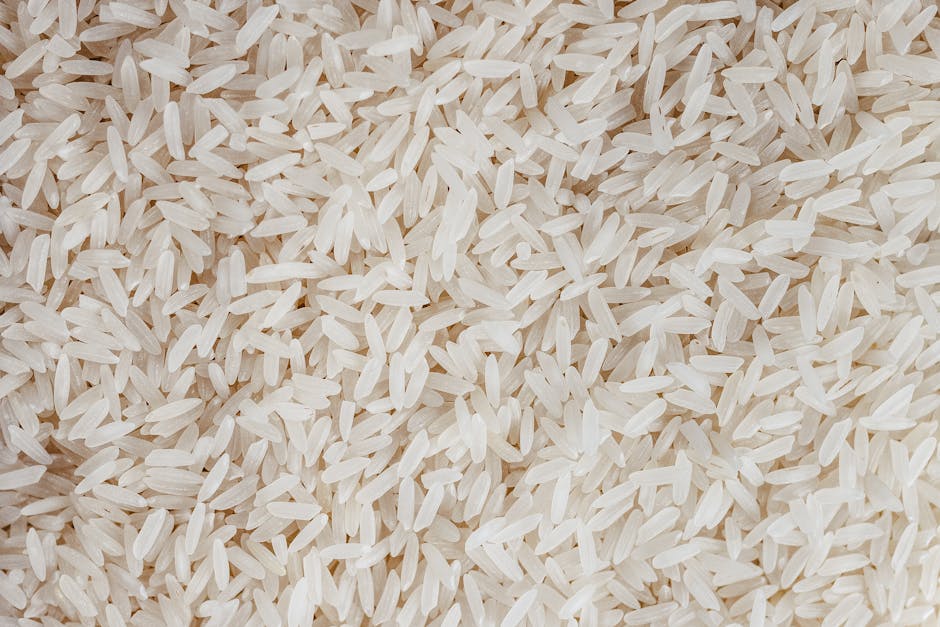
India exports over 4 million tonnes of Basmati rice annually. This guide covers grades, certifications, and what distributors should look for in a supplier.
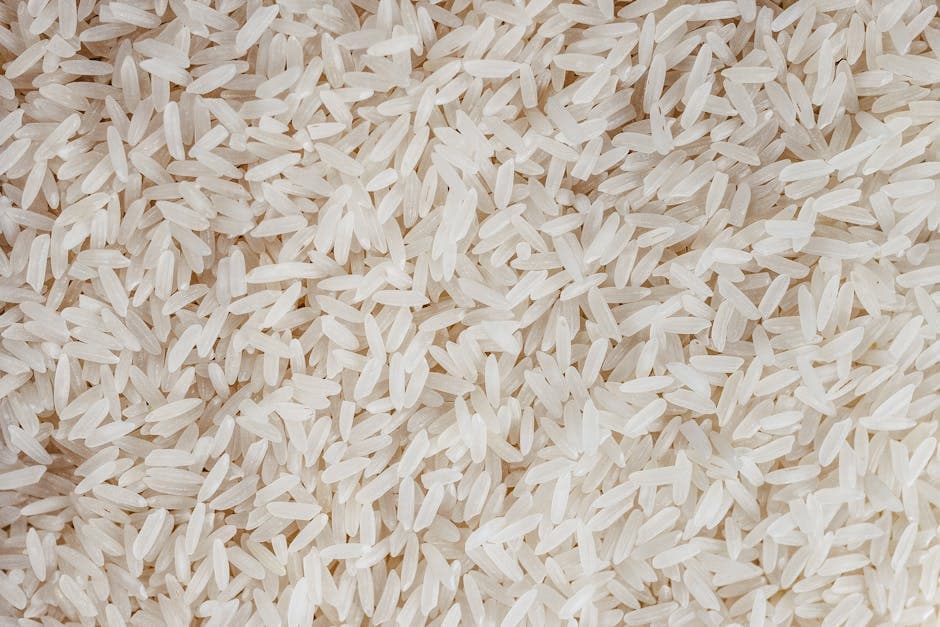
India: The World's Largest Basmati Rice Exporter
India accounts for nearly 65% of global Basmati rice exports, shipping to over 90 countries. The aromatic long-grain rice, grown primarily in Punjab, Haryana, and Uttarakhand, is a staple in Middle Eastern, European, and African markets.
Understanding Basmati Rice Grades
Not all Basmati is the same. Distributors should understand the grading system:
- 1121 Basmati: Extra-long grain (8.3mm+), most exported variety worldwide
- 1509 Basmati: Long grain, slightly shorter than 1121, competitive pricing
- Traditional Basmati: Aged 1-2 years, premium aroma and flavor
- Pusa Basmati: Shorter grain, popular in domestic and African markets
Key Certifications for Export
Legitimate Basmati exporters must hold APEDA registration (mandatory for Indian Basmati export), along with FSSAI, ISO 22000, and HACCP. Some markets require additional FDA or EU compliance documentation.
What Distributors Should Look For
When evaluating an Indian Basmati supplier, check for:
- Consistent grain length and aroma across batches
- Low broken percentage (under 2% for premium)
- Proper aging (minimum 6 months for standard, 12+ months for premium)
- Complete export documentation and phytosanitary certificates
HS Proteins offers premium 1121 and 1509 Basmati rice with private labeling options, backed by ISO and APEDA certifications. Contact us for samples and pricing.